
New workshop for September!
Online at The Winslow Art Center

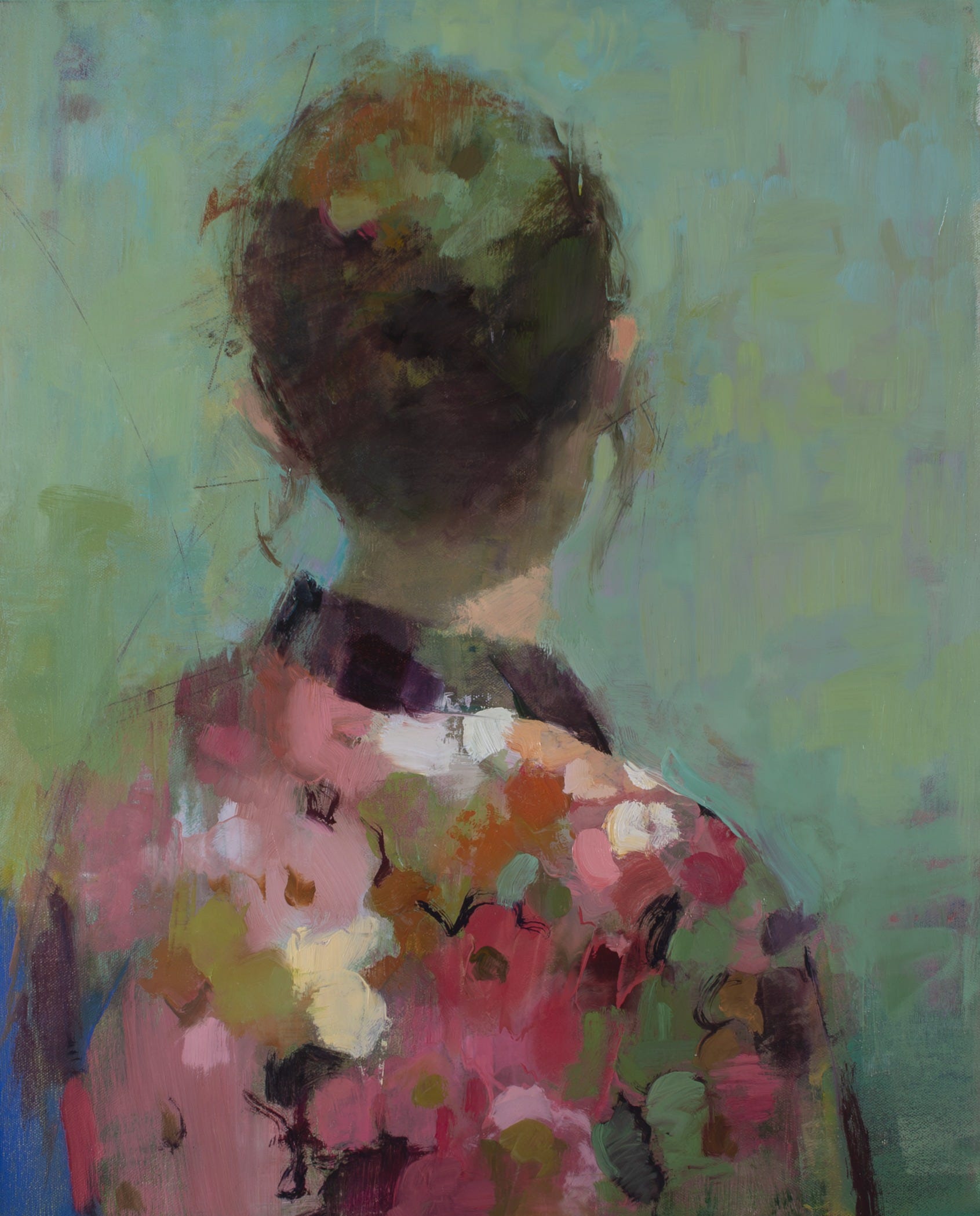
Color and Paint Handling: Building Stronger Paintings Through Contrasts
Tuesdays, September 1 to 22
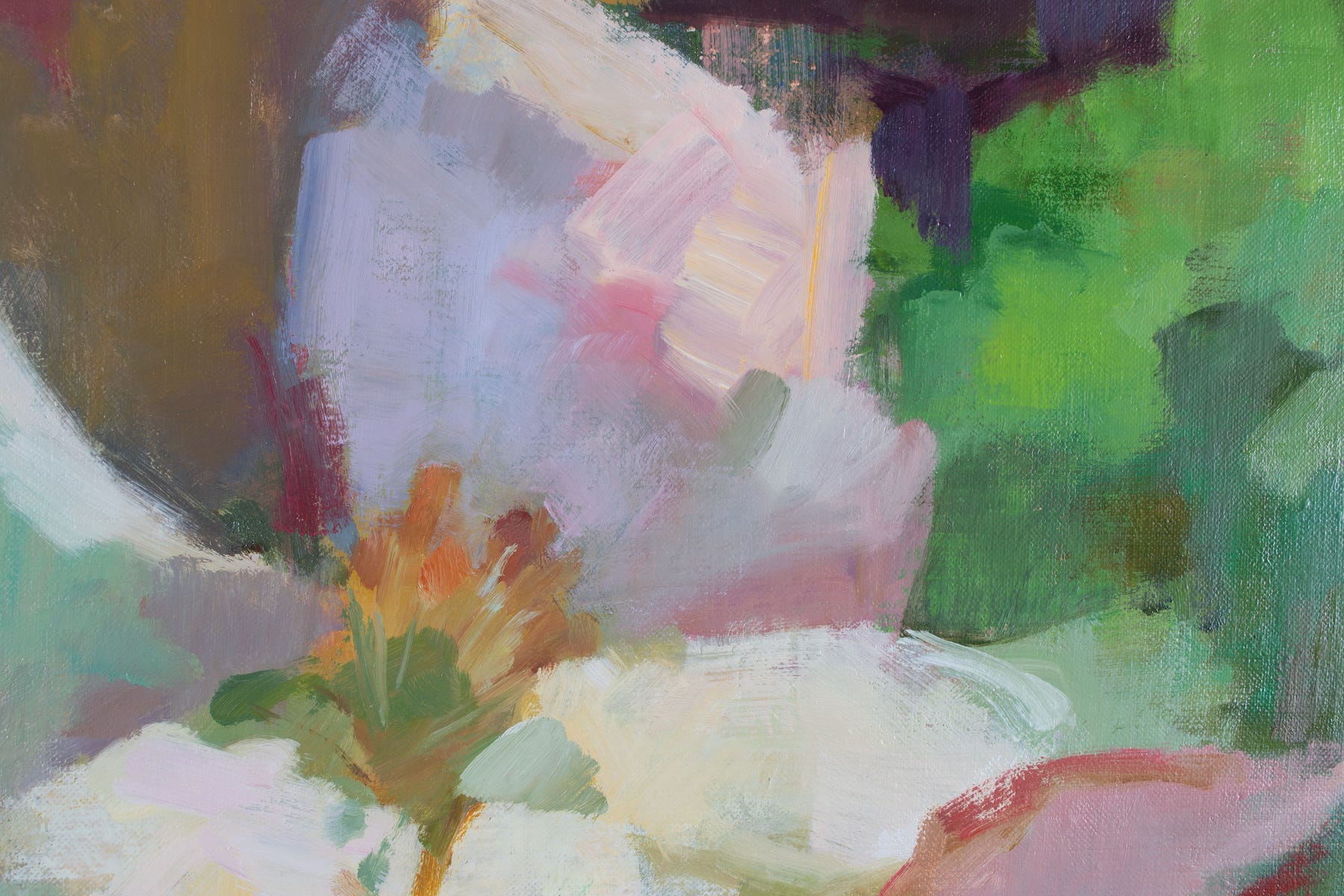
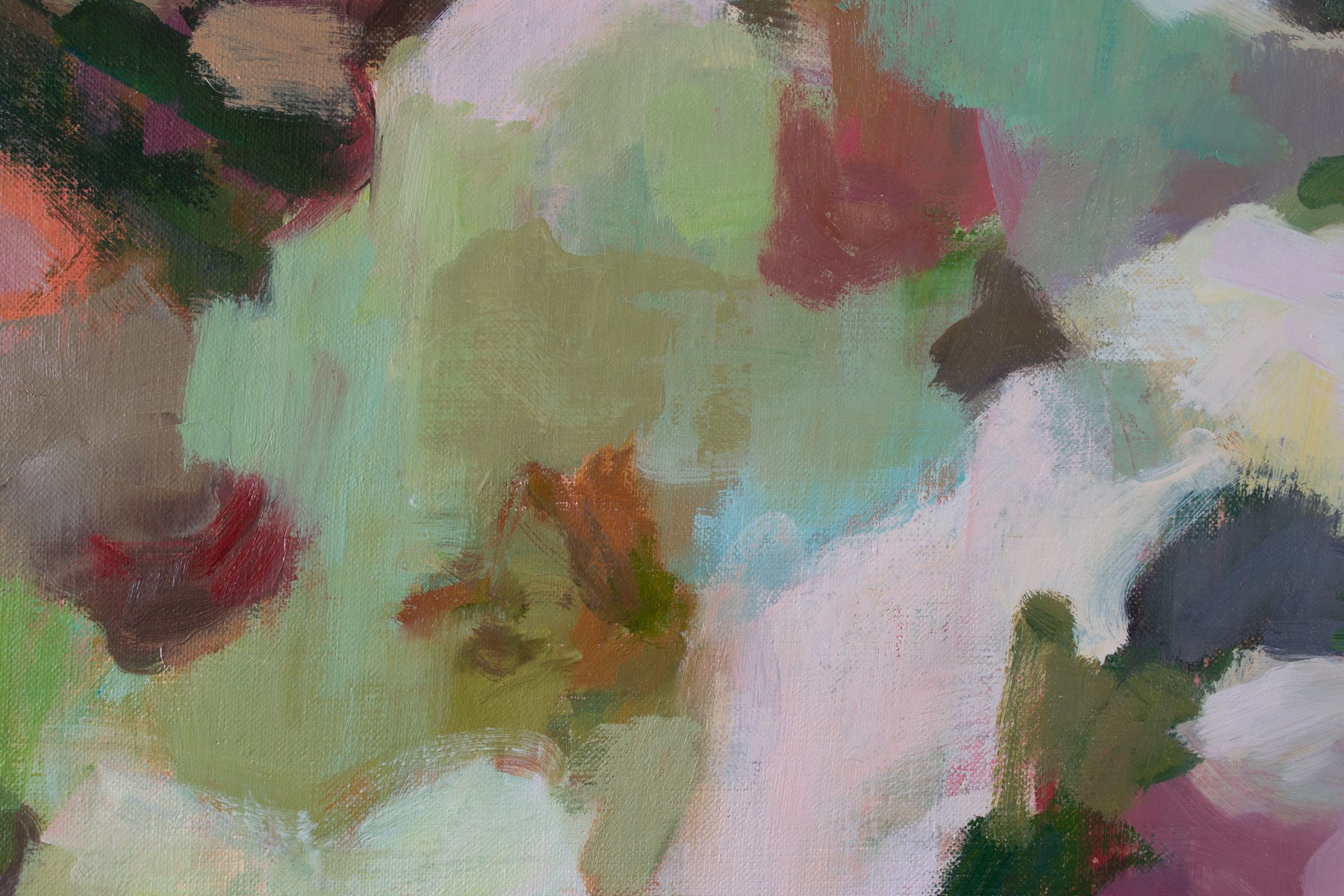
The artist Robert Genn once wrote about the 30, 3, 3 rule that he kept in mind as he painted. At 30 feet, the viewer should see an appealing arrangement of colours and shapes; at 3 feet, they should understand the subject of the work; and at 3 inches, they should find some surprises to make the work worth studying closely. That’s always stuck with me.
I’ve always been drawn to painters who layer and make complex surfaces like little abstractions within the realist shapes they depict (Alex Kanevsky comes immediately to mind). Single layer depictions feel like the tip of a very big iceberg and I like to paint the whole iceberg. I love making work that has many layers, built over time with the venerable “paint on, paint off” method. For every new layer, there’s a lot of scraping back, nudging and manipulating to make it look right. I don’t always know what right is, but I know it when I see it and I certainly know when I don’t see it.
Along the way, I’ve learned that every layer and manipulation has a massive impact on colour and that I can plan ahead for those effects from the start. Scumbled layers can soften a strong colour as if I’ve put it behind a veil; broken layers can make a colour vibrate with energy in a way that no single layer possibly could; swiftly scribbled marks affect colour differently than slow, gliding marks. Brushes make a huge impact from stiff hog to soft synthetic. Colour is delicate and easily transformed in a way that monochromatic value is not. A dark is a dark but a mid value colour is a chameleon, changing constantly throughout the painting’s progress.
I find this changeability fascinating and it’s what my new workshop is about. In it, we’ll be exploring a variety of paint applications and their effects on our colour mixtures. We’ll push our painting methods in every aspect: contrasting thick paint with thin; refined passages with rough, flat applications with broken, fluid with dry …. It’s a big list. All the while, we’ll be watching the impact these moves have on our colour and learning to be deliberate in our paint handling decisions; to plan ahead like chess players so that we can achieve specific outcomes.
Colour will be our priority because a painting that’s just made up of paint handling pyrotechnics gets tiresome pretty quickly, but a painting that glows and shimmers from across a room, never gets old. (At least not for me:)
The workshop is suitable for oils and acrylics and will be based on still life but we’ll also each work on a larger piece, in the genre of each painter’s choice, that spans the entire 4-week workshop. Developing colour complexity takes time!
I expect this workshop to be thought provoking and stimulating. It will ask a lot of questions about our individual colour preferences and explore a variety of ways to achieve our aims. I’m looking forward to it!
If you’d like to learn more, you can find the workshop description and registration here.
I hope you’ll join me online in September!
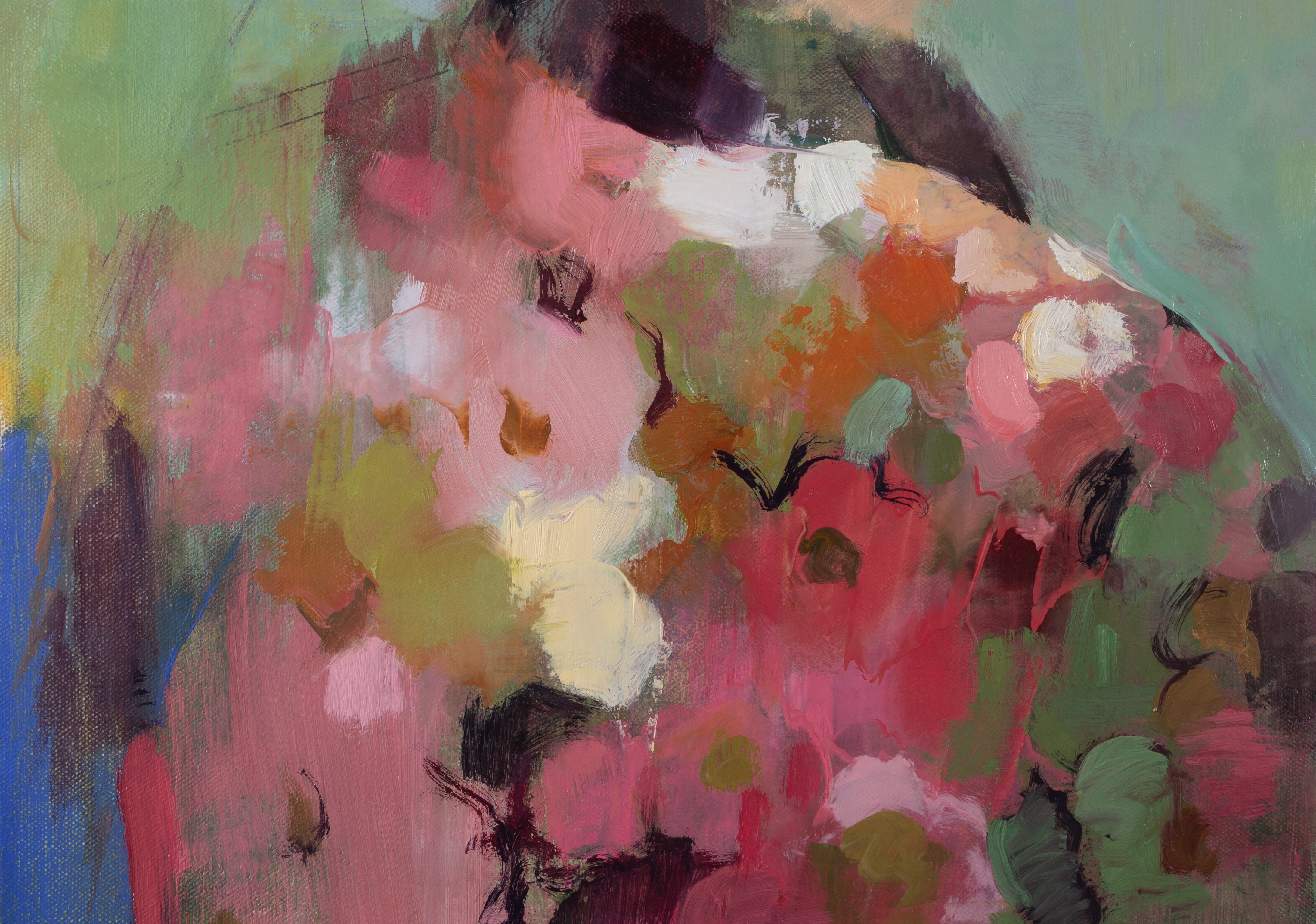
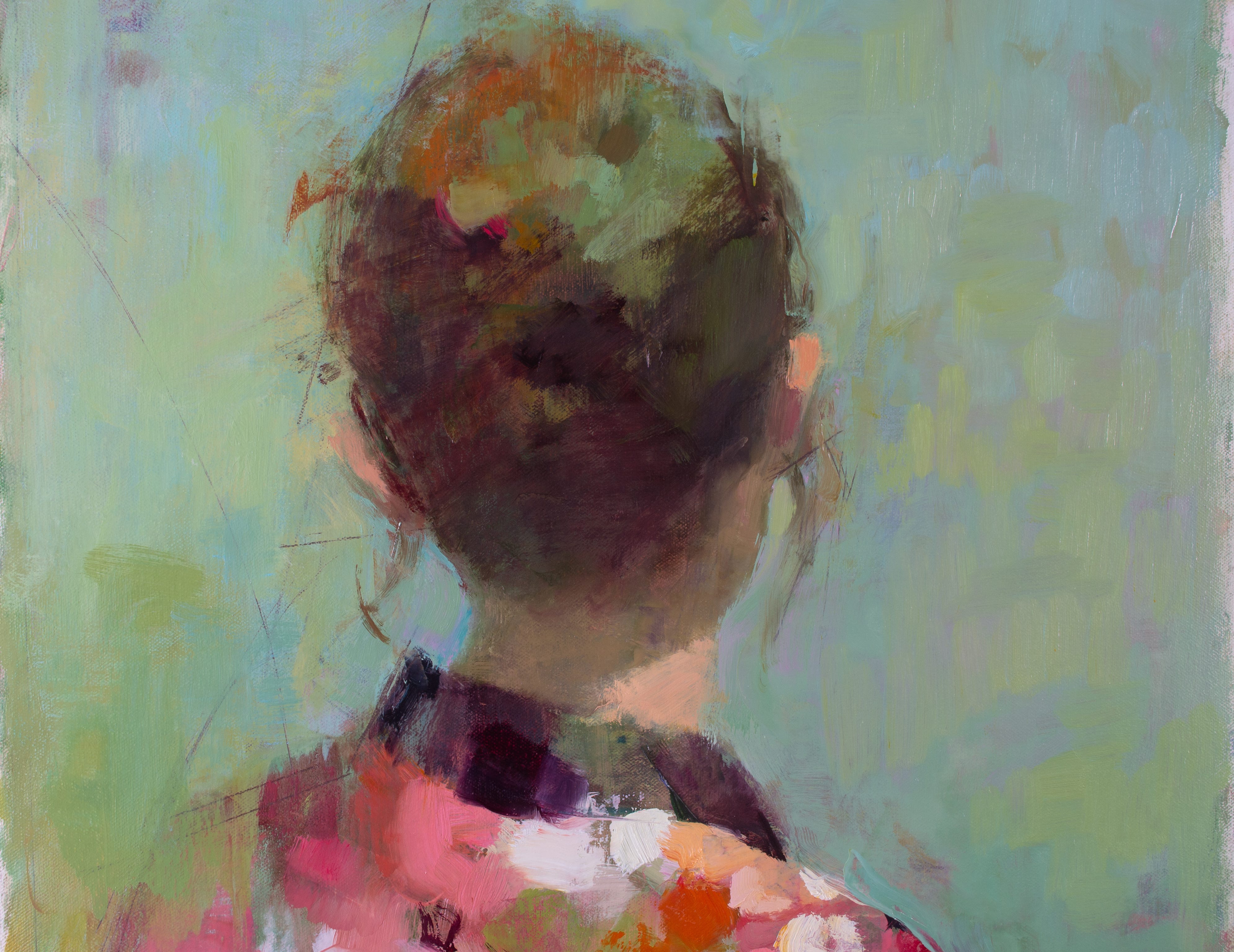
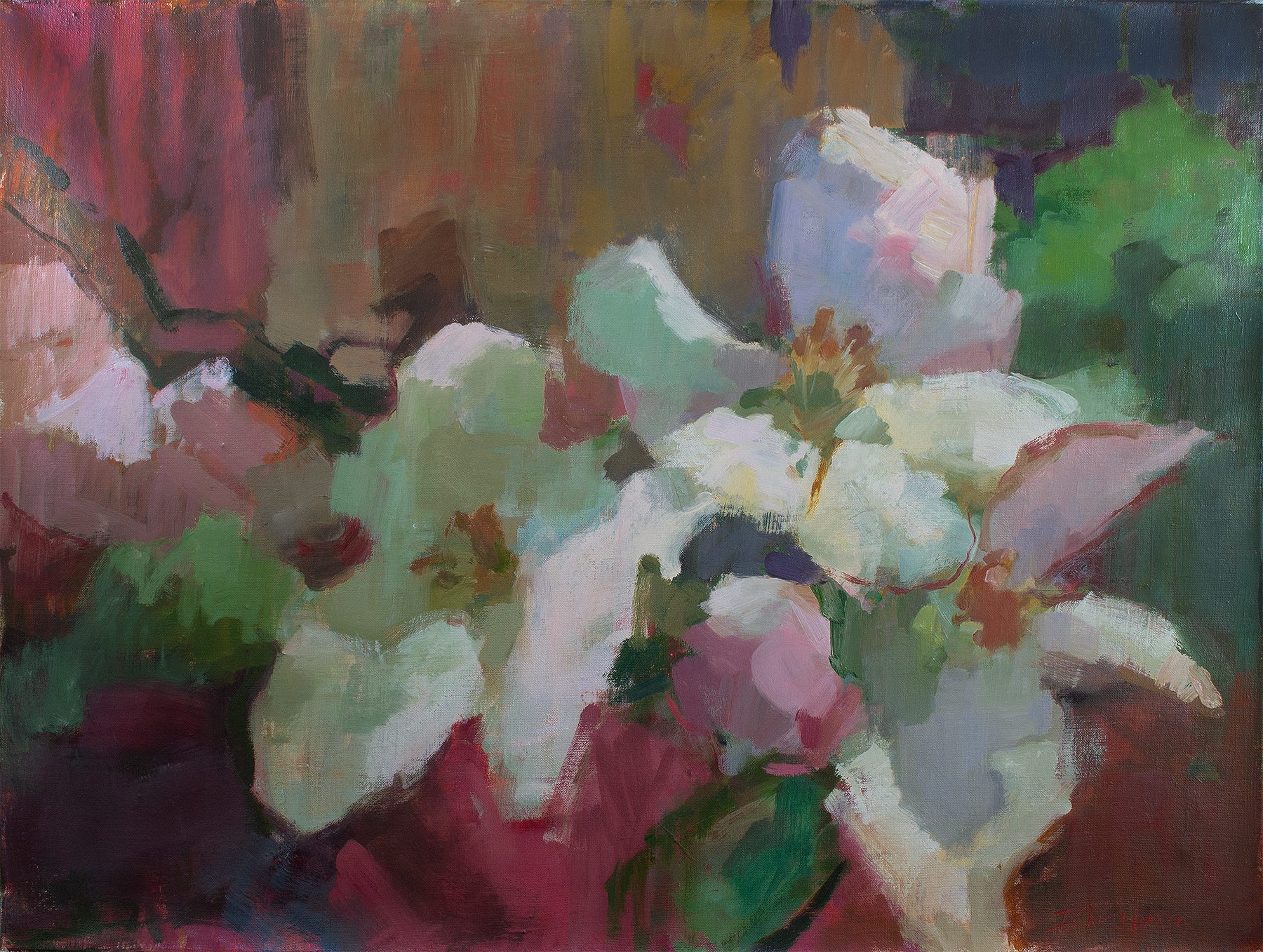
**Here are some close ups of what varied paint handling means to me. These surfaces are interesting at 3 inches and the colour sings:
Happy painting!
Hi Ingrid, I would love to do your Workshop but I live in Sydney, Australia so would need to access sessions later. Would that be okay ?Thank you for your inspiration and generous advice. Sue.
Such a beautiful painting